

A Journey into Nigerian Cookery with Toyin's Kitchen
March is Women's History Month, and we're celebrating in the most delicious way possible: by bringing the vibrant, nourishing flavours of Nigerian cooking right into the heart of Hammersmith.
On Thursday, 12th March, Health Defence Organics is hosting Toyin's Kitchen for an exploration of traditional Nigerian cuisine that connects heritage, health, and community. Whether you're already a fan of West African food or you've never tried jollof rice before, this is your chance to discover how Nigerian cooking celebrates bold flavours, wholesome ingredients, and the kind of food wisdom that's been passed down through generations of women.
Why Nigerian Food Belongs in a Health Food Shop
You might wonder what Nigerian cookery has to do with organic health products. The answer? Everything.
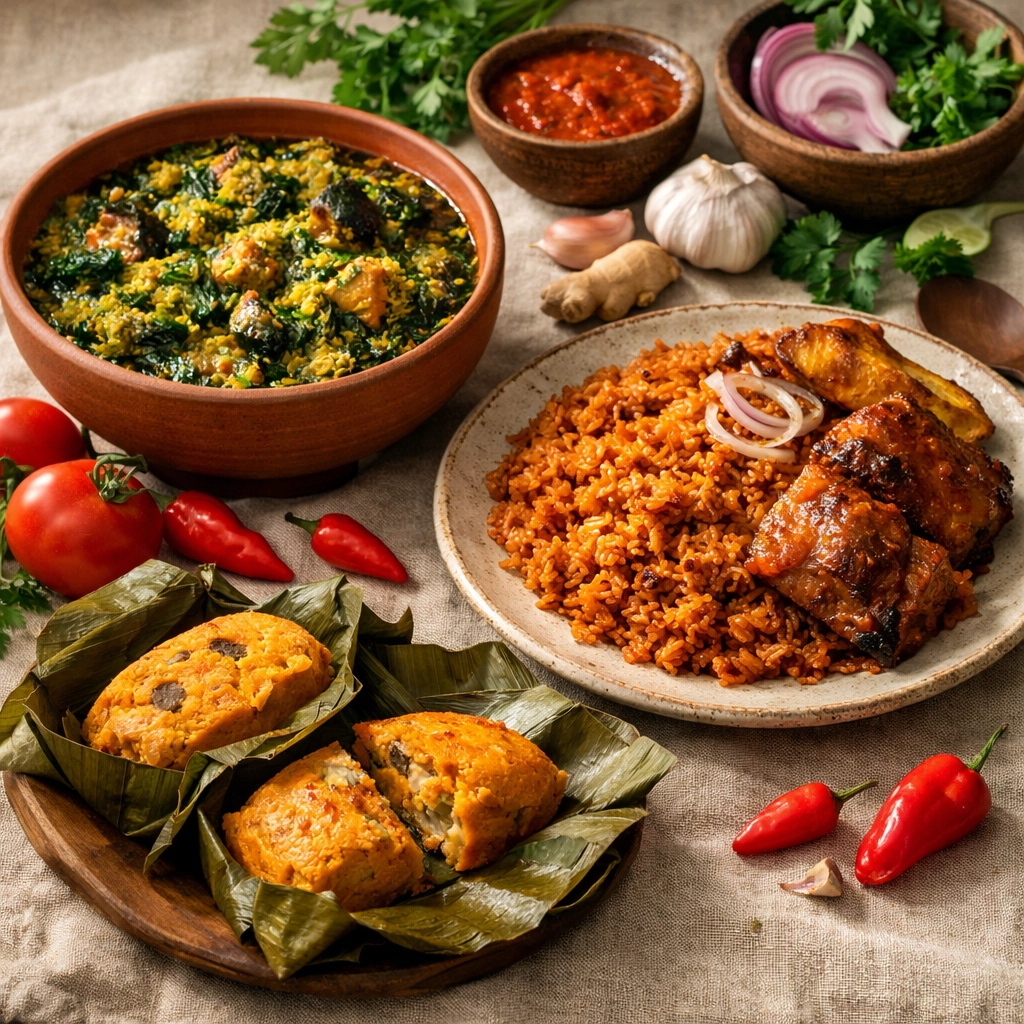
Traditional Nigerian cuisine is built on fresh vegetables, pulses, whole grains, and aromatic spices: many of which align beautifully with the nutrient-dense, plant-forward eating we champion here at Health Defence Organics. Dishes like egusi soup (made with melon seeds rich in protein and healthy fats), moi moi (steamed bean pudding packed with plant protein), and jollof rice (a tomato-based one-pot wonder) showcase ingredients that are as good for your body as they are satisfying to your taste buds.
Nigerian cooking also emphasizes using seasonal produce, fermenting ingredients for gut health, and building meals around legumes: principles that feel remarkably modern but are rooted in centuries of food wisdom. When you cook Nigerian food from scratch, you're not just making dinner. You're connecting with a culinary tradition that values nourishment, flavour, and community.
Meet Toyin's Kitchen
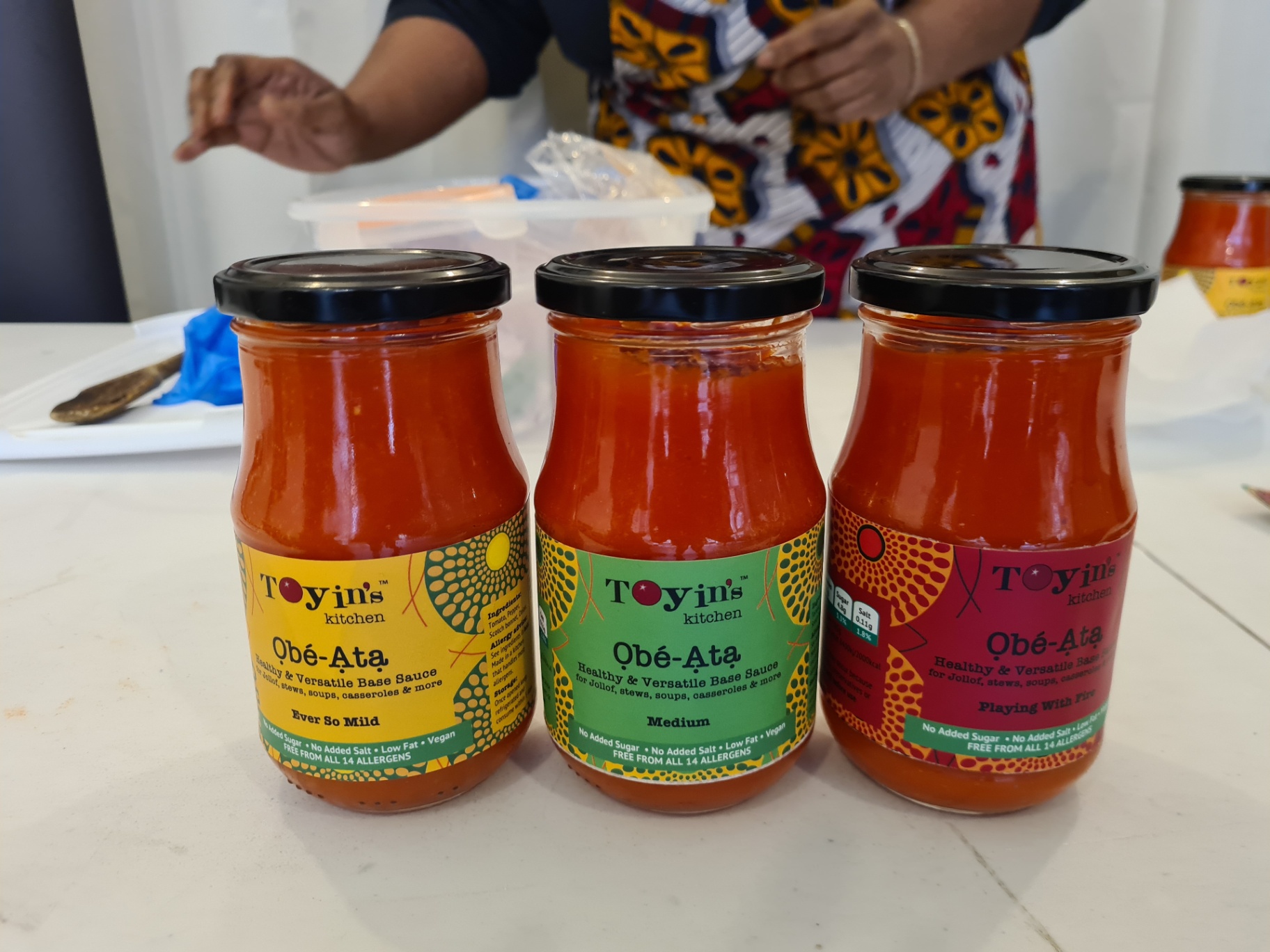
Toyin's Kitchen is a culinary project run by Lola Toyin, dedicated to making authentic Nigerian recipes accessible to home cooks everywhere. Through her online platform, Toyin shares both traditional methods and simplified approaches that honour the spirit of Nigerian cooking while fitting into busy modern lives.
Her philosophy is straightforward: Nigerian food doesn't have to be complicated or time-consuming to be authentic. With the right techniques and a few versatile base ingredients, you can create meals that taste like home: whether that's Lagos, London, or anywhere in between.
One of Toyin's signature offerings is Obe-Ata, a traditional Nigerian cooking sauce that forms the base of countless dishes. Think of it as the Nigerian equivalent of a good tomato passata: except it's layered with peppers, onions, and spices that give it a depth of flavour you simply can't replicate with a jar of bland pasta sauce. Obe-Ata can be customized with coconut milk for creaminess, peanut butter for richness, or extra garlic and ginger for kick. It's the kind of ingredient that transforms a simple pot of rice or beans into something truly special.
What to Expect on the Day
This isn't a formal cooking class where you'll be taking notes and following recipes to the letter. Instead, think of it as a journey: a relaxed, interactive exploration of Nigerian flavours, techniques, and ingredients.
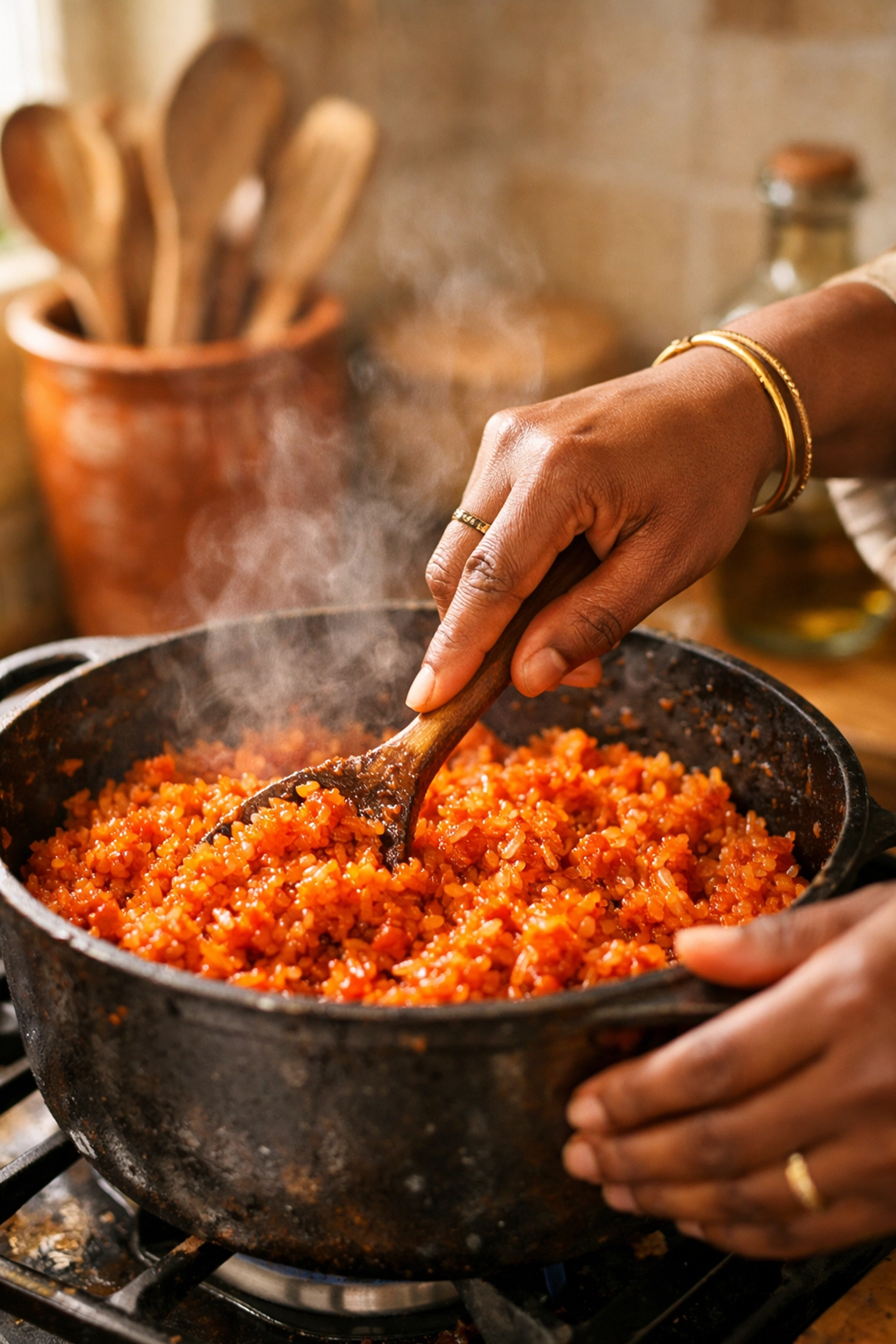
Toyin will guide you through the building blocks of Nigerian cooking, demonstrating how to layer flavours, work with spices like uziza (West African black pepper) and iru (fermented locust beans), and prepare dishes that are both nourishing and deeply satisfying. You'll get to see: and taste: how traditional methods bring out the best in wholesome, organic ingredients.
We'll be exploring dishes that showcase the versatility of Nigerian cuisine:
Egusi soup: A hearty, protein-rich soup made with ground melon seeds, leafy greens, and spices
Pounded yam: A classic, comforting staple with that signature stretchy texture, perfect alongside rich soups and stews
Puff-Puff: Golden, pillowy Nigerian dough balls: lightly sweet, seriously moreish, and a total crowd-pleaser
Each dish tells a story: not just about Nigerian food culture, but about how women have shaped culinary traditions, preserved knowledge, and fed their communities with creativity and care.
The Health Benefits Hidden in Nigerian Cooking
Nigerian cuisine might not be the first thing that comes to mind when you think "health food," but it absolutely deserves a place in any conversation about nourishing, balanced eating.
Fermented ingredients like iru and ogiri (another fermented seasoning) support gut health by providing beneficial probiotics. These ingredients have been used for generations, long before "gut microbiome" became a wellness buzzword.
Leafy greens such as ugu (fluted pumpkin leaves), efo (spinach or amaranth), and water leaves are staples in Nigerian soups and stews. They're packed with vitamins A, C, and K, along with minerals like iron and calcium.
Legumes and pulses: particularly black-eyed peas, cowpeas, and brown beans: form the protein backbone of many vegetarian Nigerian dishes. They're high in fibre, support stable blood sugar levels, and provide slow-releasing energy that keeps you satisfied for hours.
Palm oil, used in moderation, contains carotenoids and vitamin E. While it's a saturated fat, traditional Nigerian cooking uses it for flavour and colour rather than deep-frying everything in sight.
Spices and peppers like ginger, garlic, Scotch bonnet peppers, and African nutmeg (ehuru) aren't just there for heat: they're anti-inflammatory, antimicrobial, and support digestion.
When you strip away the stereotypes, Nigerian food is fundamentally about balance: protein, vegetables, complex carbohydrates, and bold flavours that make you want to eat real, whole foods rather than reaching for processed alternatives.
Women, Food, and Heritage
Hosting this event during Women's History Month feels particularly meaningful. In Nigerian culture: as in so many cultures around the world: women have been the keepers of culinary knowledge, the ones who teach their daughters and granddaughters how to season, how to layer flavours, and how to turn simple ingredients into something nourishing and memorable.
Food is how women have preserved culture, passed down wisdom, and created community. It's how they've cared for their families, celebrated milestones, and maintained connections to home even when displaced by migration, economic pressures, or conflict.
Toyin's Kitchen is part of that lineage: a woman sharing her knowledge, making traditional recipes accessible, and creating space for others to learn and connect. By joining us on 12th March, you're not just learning to cook. You're participating in a tradition of knowledge-sharing that stretches back generations.
The Hammersmith Community Kitchen
Here at Health Defence Organics, we've always believed that health isn't just about what you buy off the shelf: it's about connection, community, and sharing knowledge. Our shop at 132a King Street has become a hub for Hammersmith locals who want more than just a transaction. They want to learn, to connect, and to be part of something bigger than a quick errand.
Events like this are what make our community special. Whether you're Nigerian yourself, you grew up eating West African food, or you're simply curious and hungry, you're welcome here. We're building something in Hammersmith: a space where health, heritage, and hospitality come together.
Book Your Free Place
A Journey into Nigerian Cookery with Toyin's Kitchen takes place on Thursday, 12th March, 1:00pm–3:00pm at Health Defence Organics, 132a King Street, Hammersmith.
Tickets are free, but spaces are limited. Please book via Eventbrite here: https://www.eventbrite.co.uk/e/womens-history-month-nigerian-cookery-with-toyins-kitchen-free-tickets-1982978811004?aff=oddtdtcreator
What we can promise: good food, warm company, and a chance to explore a cuisine that's nourishing, flavourful, and rooted in centuries of wisdom.
Why This Matters
In a world of meal-kit subscriptions and 15-minute recipe videos, there's something powerful about slowing down and learning from someone who knows their craft. Toyin's Kitchen offers that rare combination of authenticity and accessibility: traditional methods without the gatekeeping, cultural knowledge without the pretension.
For those of us at Health Defence Organics, this event represents everything we care about: real food, community connection, and the understanding that health isn't sterile or clinical: it's joyful, flavourful, and shared around a table with people you care about.
So mark your calendar, tell your friends, and get ready to discover why Nigerian food deserves a place in your kitchen: and why March 12th is shaping up to be one of the tastiest days on Hammersmith's community calendar.
We'll see you there. Bring your appetite, your curiosity, and maybe a notebook if you want to jot down Toyin's tips. This is one journey you won't want to miss.
Health Defence Organics CIC 132a King Street, Hammersmith
Comments